February Nature Happenings
-
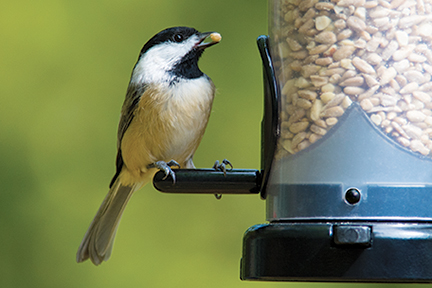
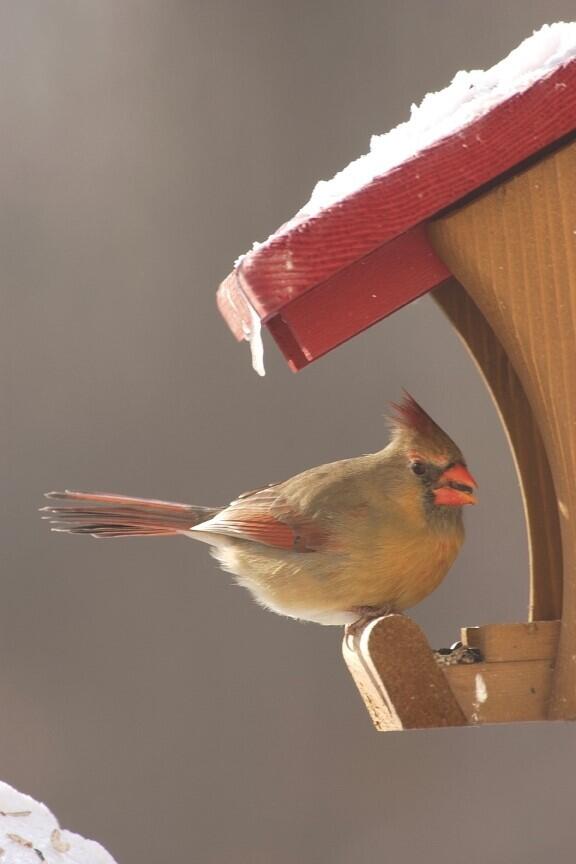
National Bird Feeding Month was established in 1994 by John Porter, a man who cared so much about the health and welfare of birds that he read a resolution into the Congressional record. ‘‘I would like to recognize February, one of the most difficult months in the United States for wild birds, as National Bird-Feeding Month. During this month, individuals are encouraged to provide food, water, and shelter to help wild birds survive. This assistance benefits the environment by supplementing the wild bird’s natural diet of weed seeds and insects.’’
-
Great Backyard Bird Count, mid-month, https://www.birdcount.org/ This is your chance to help Citizen Science by participating February 13 th through 16 th . In as little as 15 minutes watch the birds around you, identify them, count them, and then submit your counts to help scientists better understand and protect birds around the world.
-
Project FeederWatch continues, https://feederwatch.org/welcome-to-feederwatch/
-
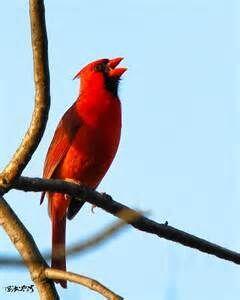
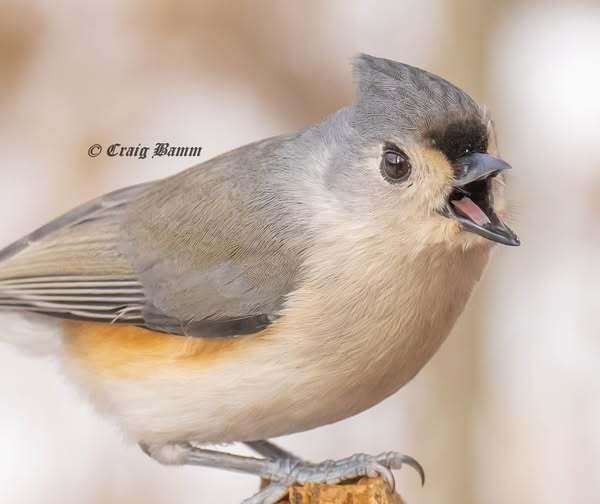
Bird song is prompted as daylight becomes longer, affecting the pineal gland in birds. This gland regulates hormonal changes, and the subsequent release of testosterone. Increased testosterone levels induce song production for mating and territorial defense. It’s time to listen for Northern Cardinals, Tufted Titmice, House Finches, Black-capped Chickadees and Mourning Doves in our area.
-
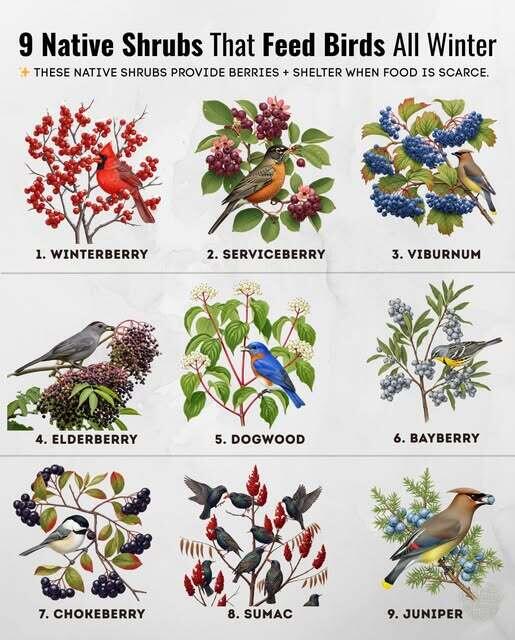
Large flocks of robins can be seen feeding from fruit-bearing plants including winterberry, dogwoods, elderberry, and sumacs. Plan a place for these shrubs in your yard if you don’t have them already.
-
Peak of Bald Eagle migration – watch for them along Lake St. Clair.
-
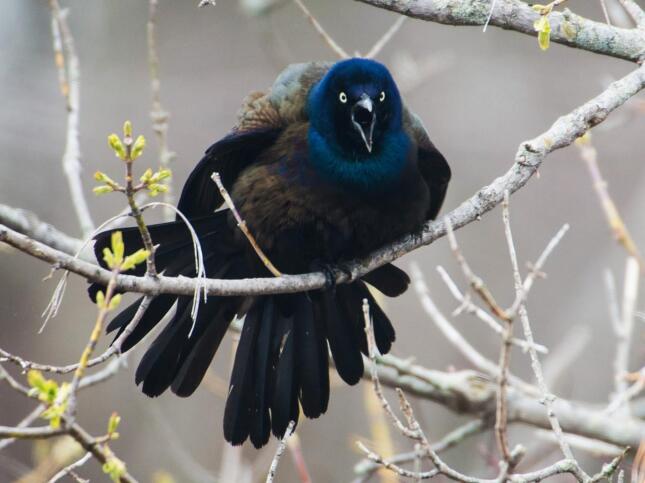
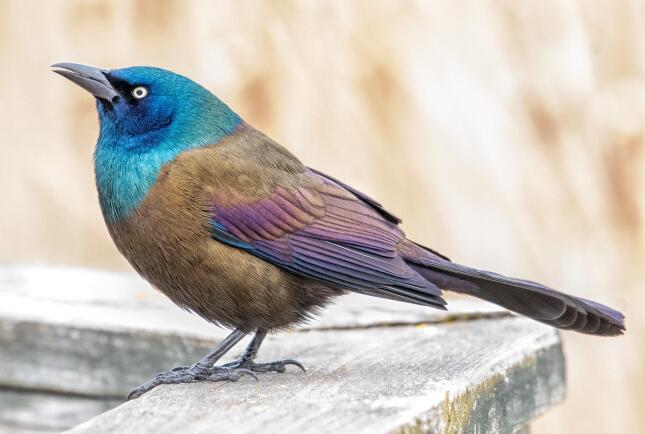
Common Grackles will arrive in Michigan, migrating from the southern states. If you prefer not to feed them in your yard switch to 100% safflower seed. Blackbirds have a difficult time opening that seed and it has a bitter taste that they don't prefer. Your Cardinals, House Finches, Chickadees and many other birds will readily eat safflower. Don't you just love how expressive a Grackle is when he is belting out that squeaky song?
-
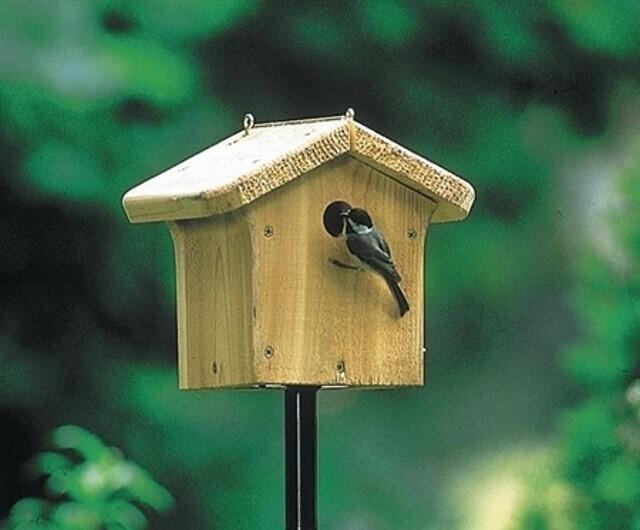
Bird houses need to be cleaned out this month in preparation for nesting season. Black-capped Chickadees will be searching for potential nest sites as they may be laying eggs as soon as late March.
-
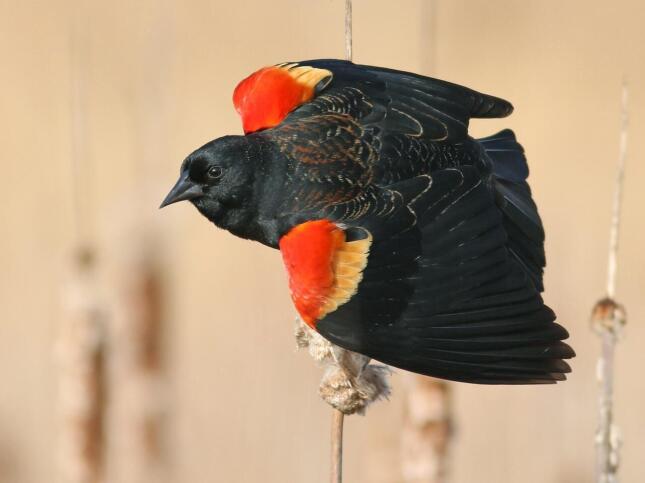
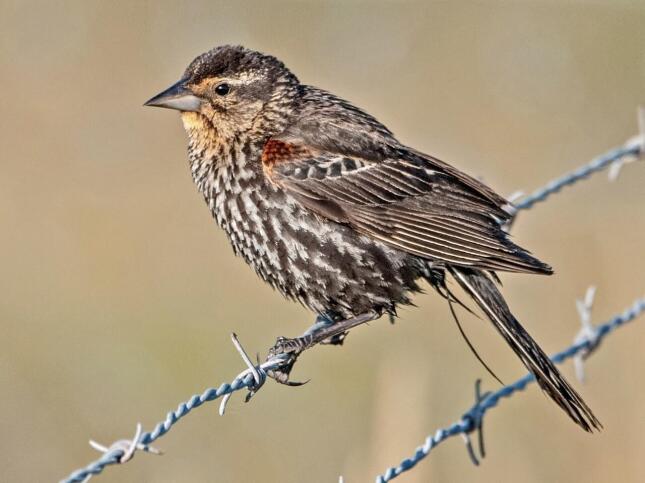
It's a sure sign of migration when the Red-winged Blackbirds arrive, which they do this month. The males stake out a territory by giving out their song "Kong-a-reeee" and flaunting their bright red epaulets as added emphasis. Their display is also meant to attract a female, quite opposite in coloration than her mate. Red-winged Blackbirds eat insects in addition to seeds and grains. You may find them visiting your feeders to replenish themselves after their long journey.