
October Nature Happenings
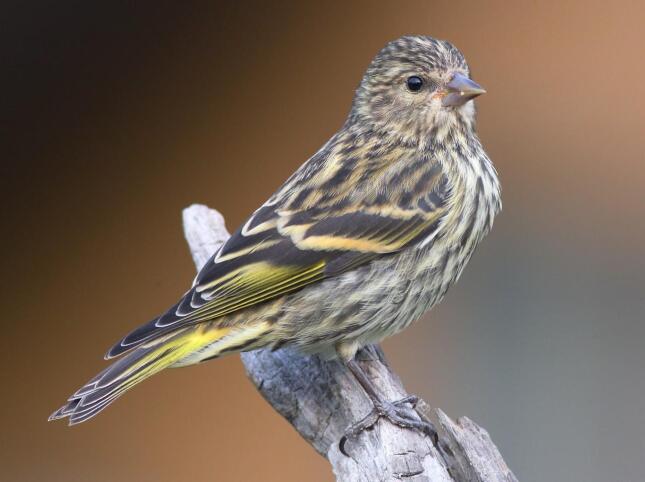
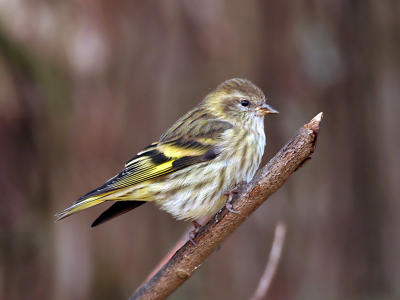
Pine Siskins return early this month and in late-September. This bird is a member of the finch family, appearing very similar to the American Goldfinch but with a sharper beak and an overall "stripier" look.
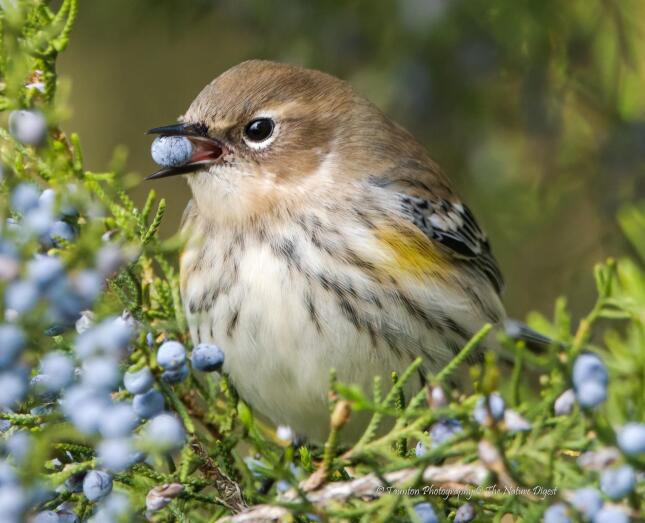
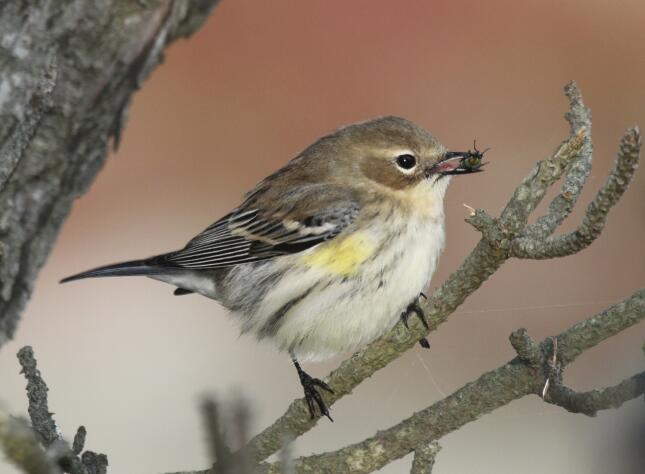
Yellow-rumped Warblers are migrating through in peak numbers. This is another bird that avails itself of the fall ripened fruits which they consume as well as insects. This warbler does not leave the United States, instead spending winter in the southern states.
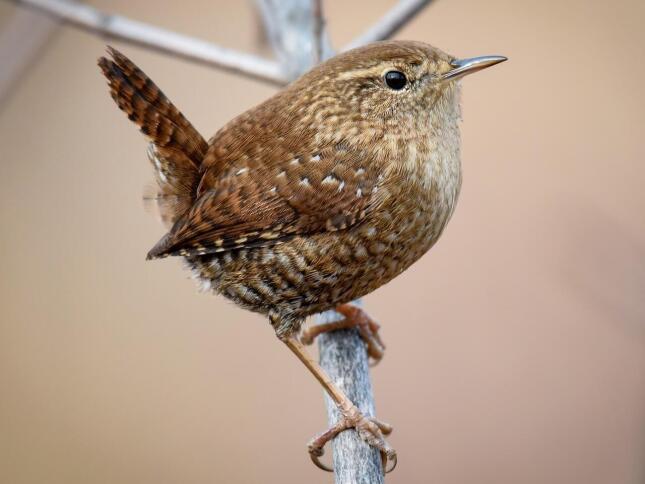
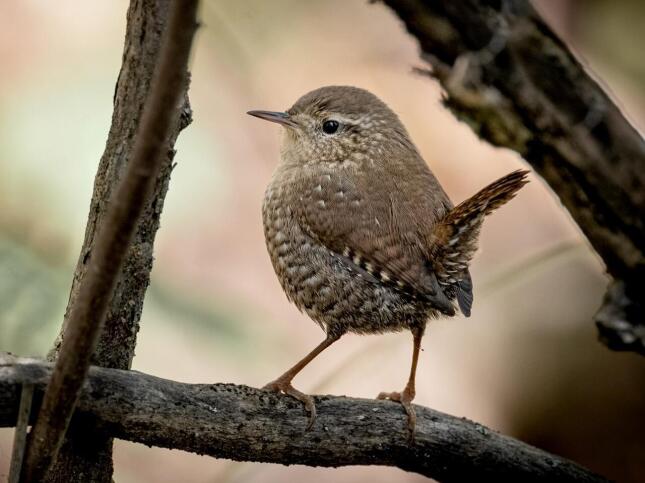
Winter Wrens migrate now in great numbers. Their very short and arguably cute tail is a good field mark to tell them apart from the House Wren that we are used to seeing in the breeding season.
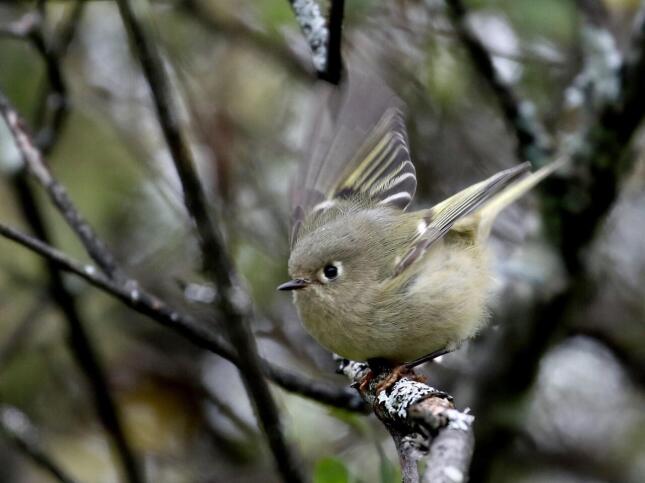
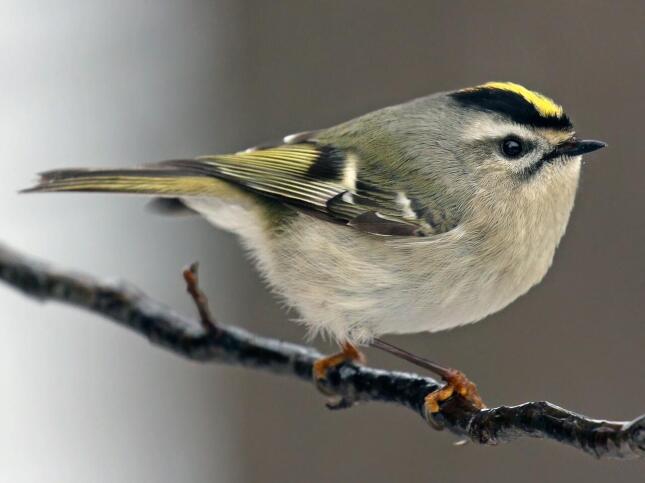
This time of year is the peak of migration for Ruby- crowned and Golden-crowned kinglets. These are among the smallest perching birds, with a weight the same as two pennies. Fueled only by insects, you can see them as they flutter about on the branches in search of food. Many times, their crown color does not show, but they are easily told apart as the Ruby-crowned is very plain whereas the Golden-crowned has a distinctive face pattern.
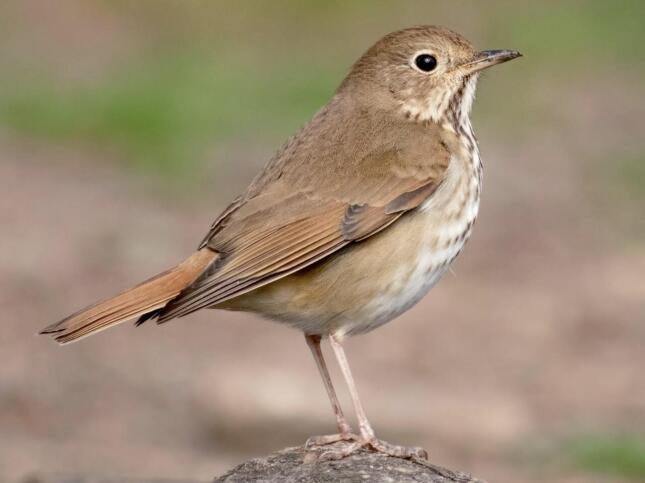
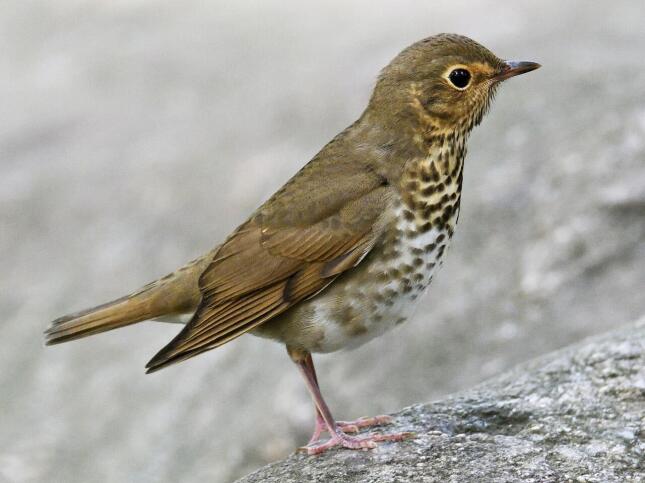
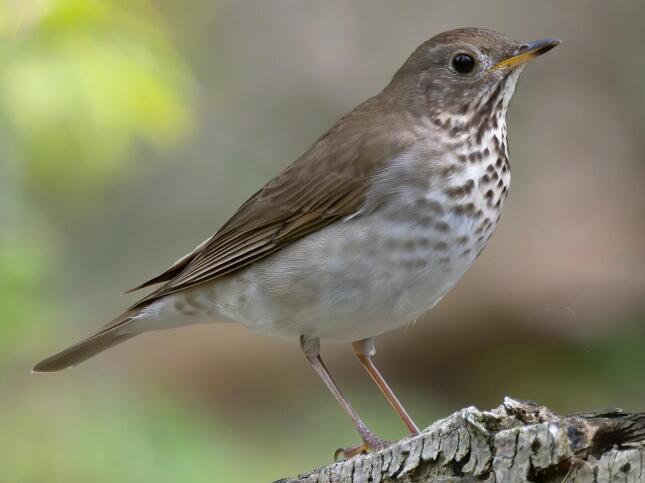
Migrating Hermit, Swainson’s and Gray-cheeked Thrushes can be seen feeding on wild grapes, crab apples, and other fall fruits. Plan now to plant native shrubs that offer fruits laden with the fats that these thrushes need to fuel their fall migration. These thrushes will forage on the forest floor and in your yards by rummaging through leaf litter or seizing insects with their bills. When they quietly hop along the forest floor, you can observe them watching and listening, and occasionally making rapid vibrations with a foot to scare up insects. Creating a large area where you concentrate fallen leaves will give you the opportunity to observe this behavior and try to tell the difference between these three.
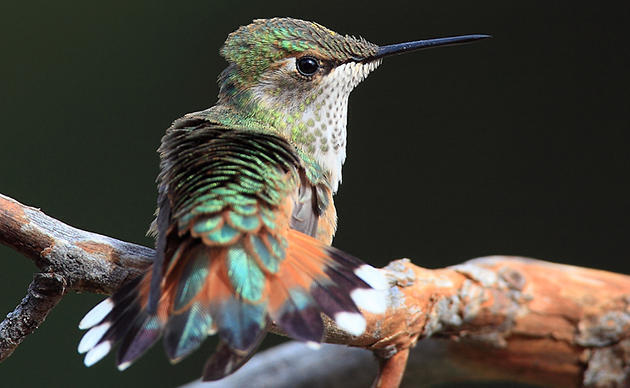
Ruby-throated Hummingbirds have mostly left the area by this point, but you may still see an occasional straggler. A good rule of thumb is to keep those feeders up until you do not see any for weeks. If a straggler comes, restart your few-week count from that point. This also tends to be the time we may see vagrant hummingbirds that have flown out of range, such as Rufous Hummingbirds. True to its’ name, the Rufous Hummingbird has an overall rufous color that will alert you to its’ unusual presence.
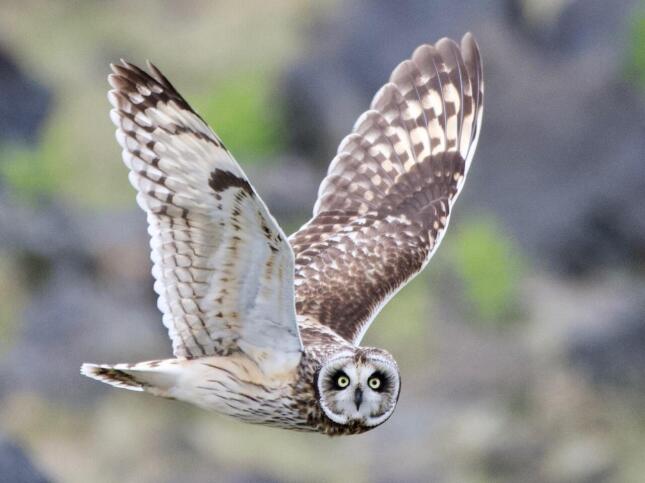
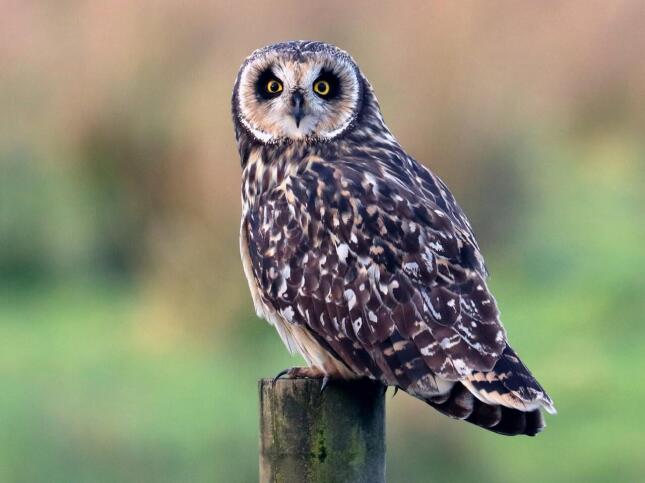
Short-eared Owls are a winter visitor to our area. They can be seen flying low over open fields in the daytime, more often at dawn and dusk. Short-eared Owl populations tend to fluctuate in close association with the cycling populations of their mammalian prey. As their population is dependent on undeveloped fields, you can help protect them by supporting Nature Conservancies.
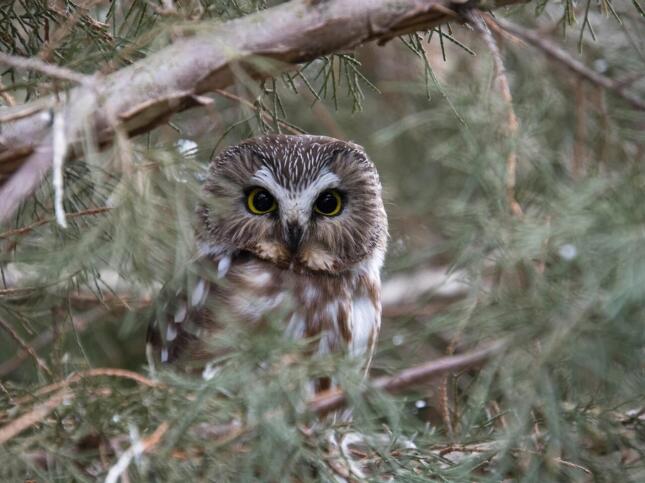
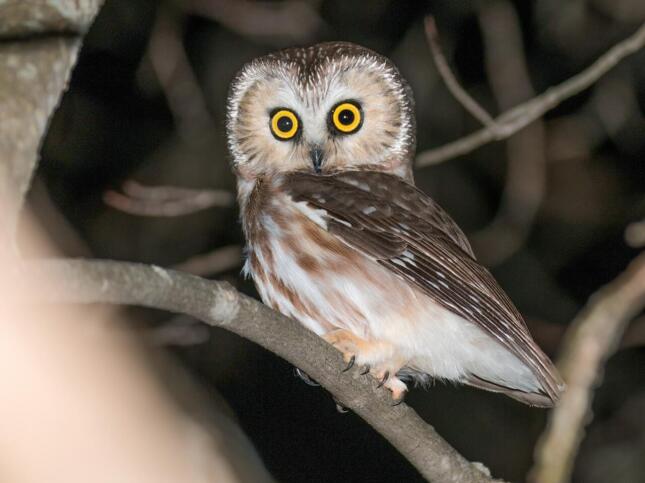
Saw-whet Owls are on the move. The Saw-whet Owl's unusual name comes from the sounds it makes, similar to the sound of a saw being sharpened (or "whetted"). Whitefish Point is known for its’ Saw-whet Owl migration. Information about this owl can be found by following Friends of Whitefish Point or Whitefish Point Bird Observatory. Although this Owl may look “cute” it is known to be a fierce predator, taking not only small mammals but small birds as well for food.
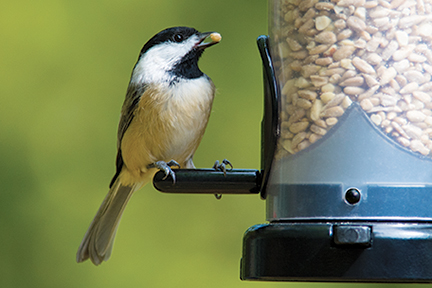
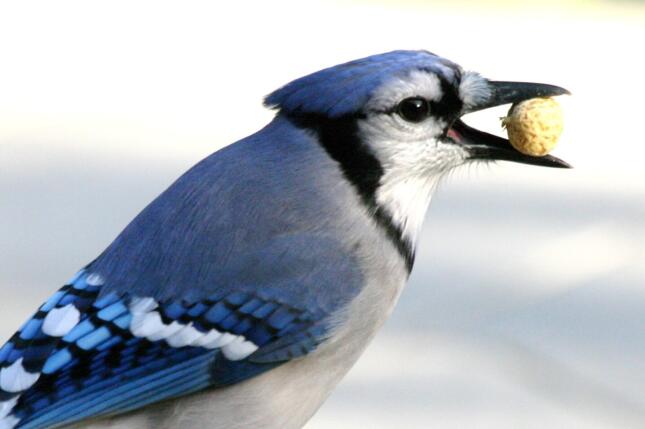
Chickadees, nuthatches, woodpeckers and jays are caching seeds and nuts for the winter. Watch as they visit the feeder and quickly return for more. They will find crevices in bark and other crafty places to hide their stash. Jays can often be seen covering peanuts with fallen leaves.
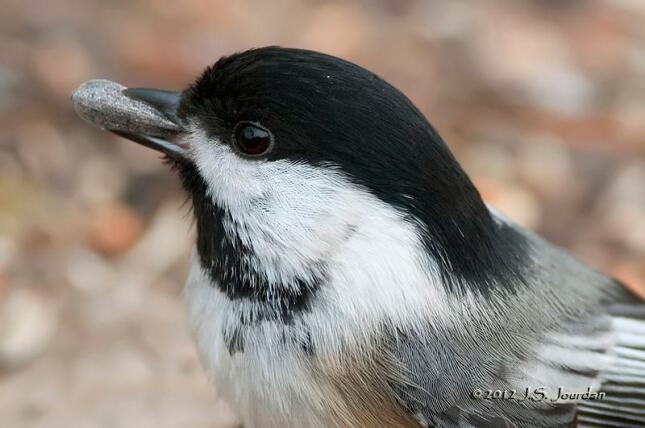
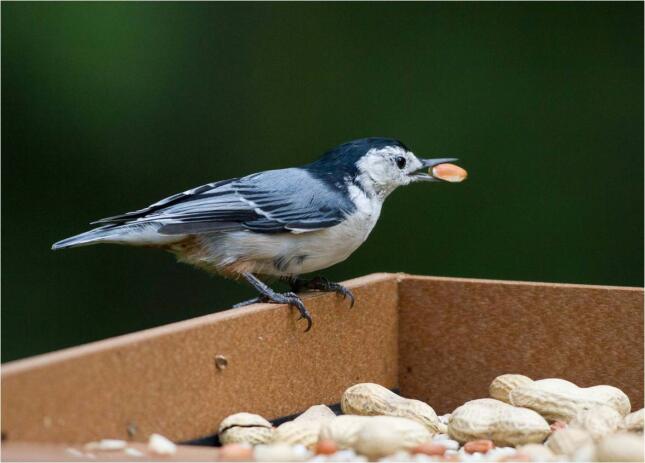
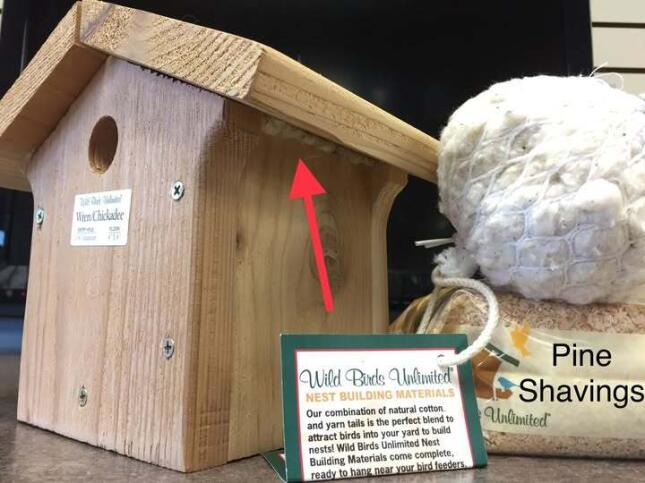
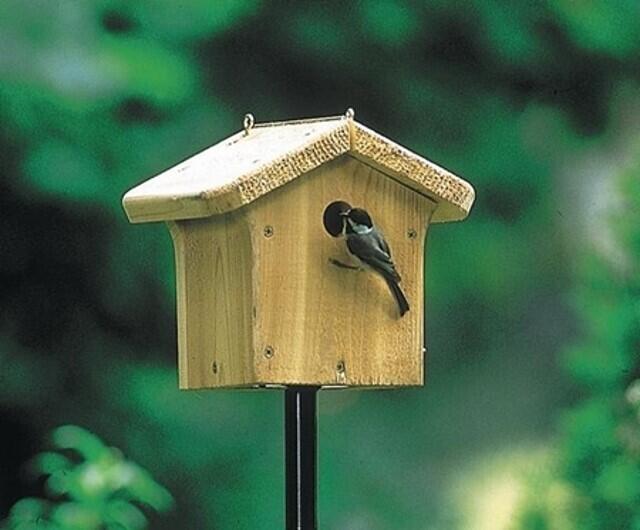
This is the month to install and repair nest boxes for use next year as well as for those birds that may use them as a winter shelter. Black-capped Chickadees, White-breasted Nuthatches, and Tufted Titmice will all use nesting boxes that you provide for them during the colder months. If you live in an area where Eastern Bluebirds frequent, they will also use nest boxes for winter roosting and shelter.
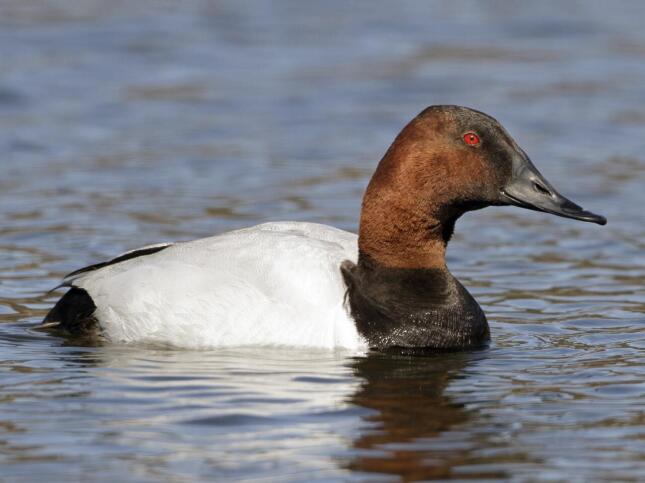
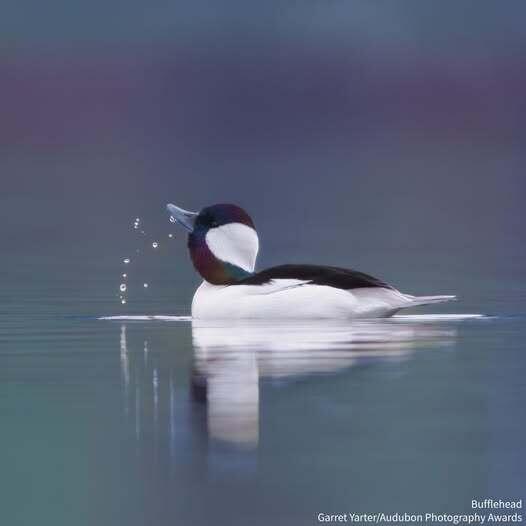
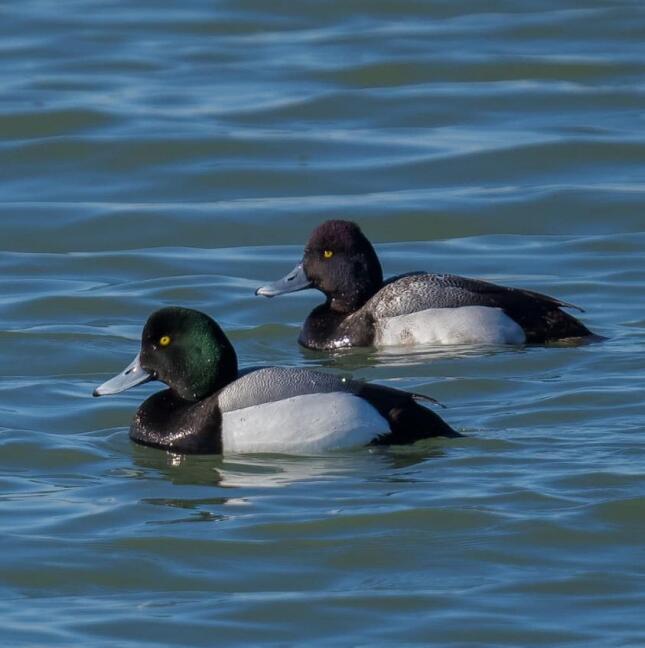
Most Wood Ducks migrate south this month, with a few staying over in winter. As they depart the area, look for the many other species of duck and waterfowl that move into this region including Canvasback, Bufflehead, Scaup, and other overwintering ducks. Lake St. Clair is a good area to observe these winter visitors as it provides them with a plentiful food source.
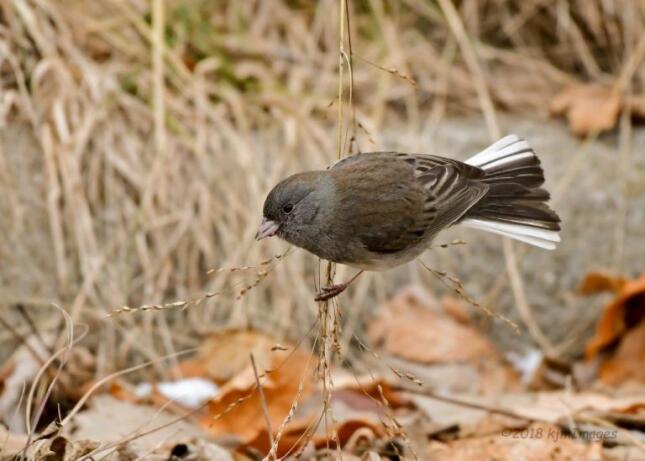
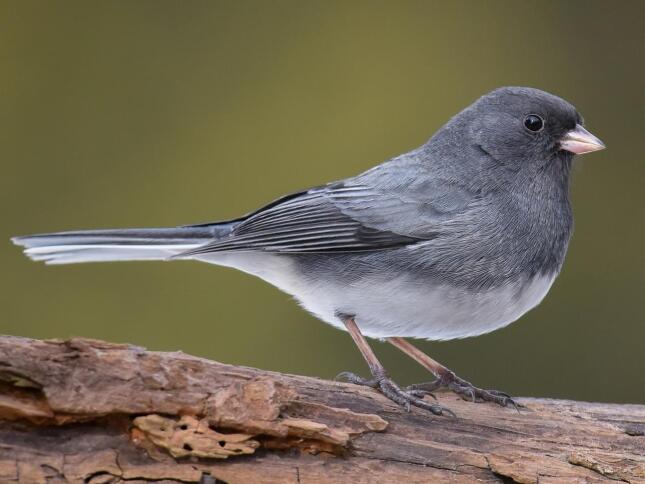
Dark-eyed Juncos, (Junco hyemalis) a sparrow, return to our area from their northerly breeding grounds of Canada. When not breeding, their habitat includes habitats including open woodlands, fields, roadsides, parks, and gardens. You may notice them foraging in your leaf litter in search of seeds from your native plants. Notice that they hop rather than walk. In flight, their white outer tail feathers are prominent. Juncos can also be attracted to your feeding stations with a preference for white millet. They prefer a sturdy platform feeder and will also eat at a tube feeder with a tray.
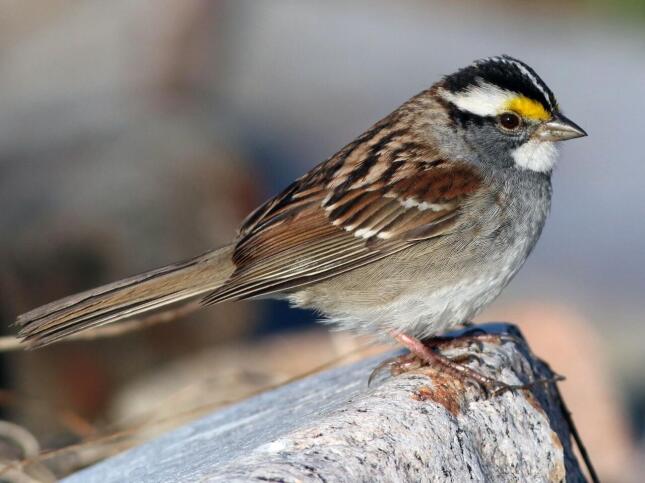
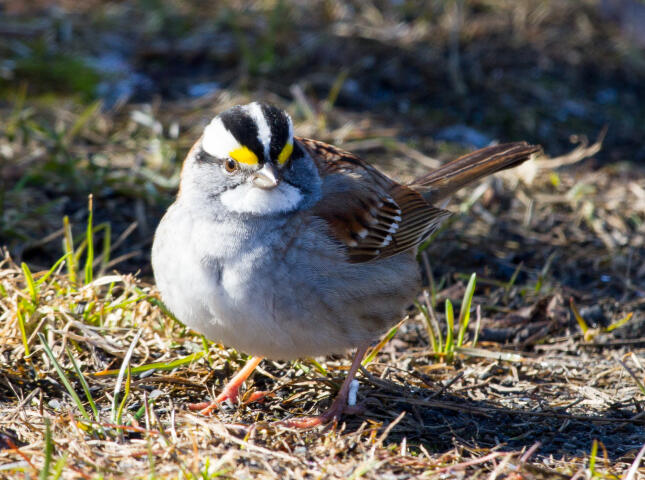
White-throated sparrows (Zonotrichia albicollis) return to our area from their northerly breeding grounds of the upper Lower Peninsula of Michigan and north through Canada. While many will continue south, some may stay in our area and visit your feeders. They prefer ground feeding and can be seen kicking through leaf litter in search of seeds and insects. Gathering your leaves under shrubs or evergreens is a great way to provide habitat for these winter visitors.
Raptor migration peaks. Keep your eyes to the sky for kettles of migrating hawks. Lake Erie Metropark is a wonderful place to watch this yearly spectacle.