August Nature Happenings
August is a time of intense change in the bird world around us. All of the migratory birds are molting. These new feathers take immense amounts of energy to develop and birds are focused on feeding on protein rich foods as well as fat laden foods to gain weight before migration. Migratory birds are quieter during this time so as not to give away their location while they are in molt, a time when flight is compromised.
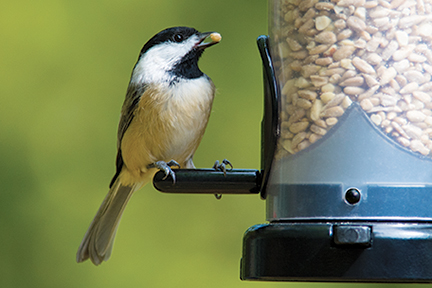
On the other hand, some of our resident birds are still breeding including Northern Cardinals, House Finches and Mourning Doves. Do you hear them in your yard? American Goldfinch began breeding just last month. We will soon be hearing the sounds of the young goldfinches – “chippee, chippee, chippee”.
Other great Nature Happenings this month ~
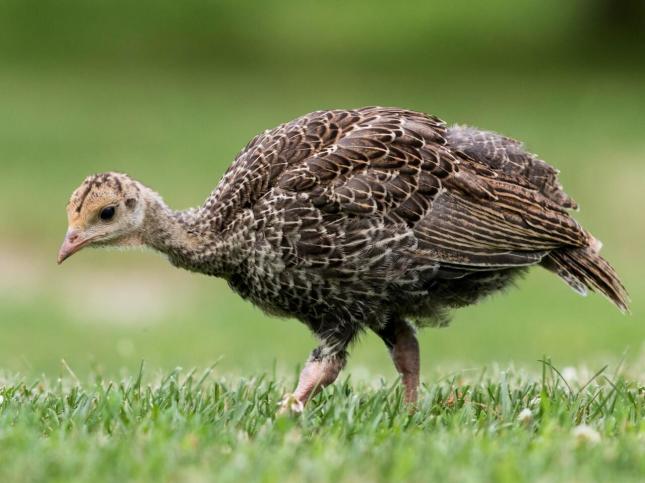
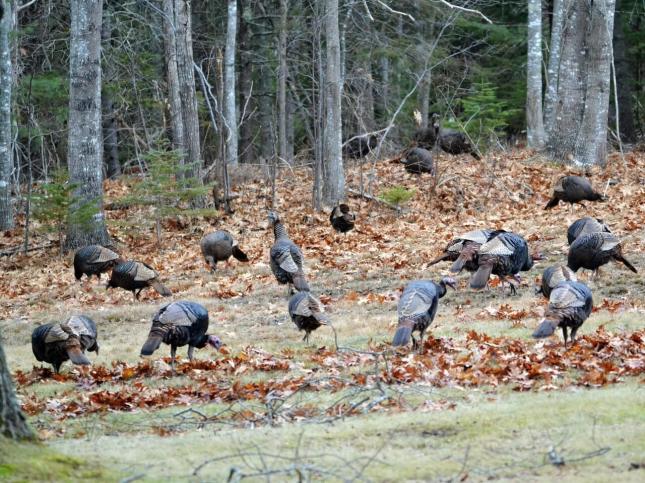
- Wild Turkeys can be seen with their young. Male Wild Turkeys provide no parental care. Newly hatched chicks follow the female, who feeds them for a few days until they learn to find food on their own. As the chicks grow, they band into groups composed of several hens and their broods. Winter groups sometimes exceed 200 turkeys.
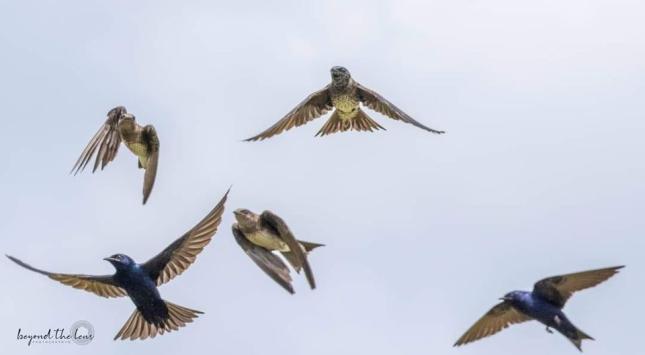
- Purple Martins and other swallows begin congregating at staging grounds before heading south. Purple Martin southward
- Migration is completed by end of month. The largest known Purple Martin roost in Southeast Michigan is located in the extensive wetlands of the Walpole Island First Nation on the northeast side of Lake St. Clair. This area, encompassing six islands in the St. Clair River delta, provides ideal habitat for Purple Martins during migration. It is home to a massive roosting population, reportedly exceeding 250,000 birds during migration.
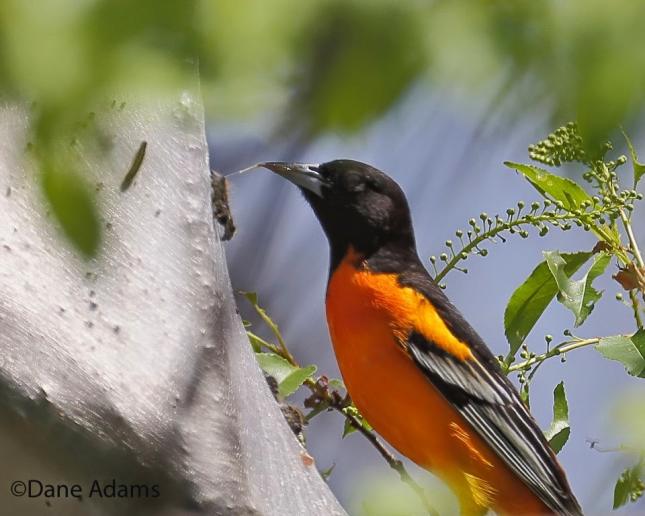
- Baltimore Orioles move through the area as they head south to Central and South America. Orioles often stop at feeders on this journey. Enjoy observing them as they eat the fruits and insects off of your native shrubs and trees, the jelly and mealworms that you may offer.
- Male Little and Big Brown Bats start to spend part of the night in winter hibernation sites in early August.
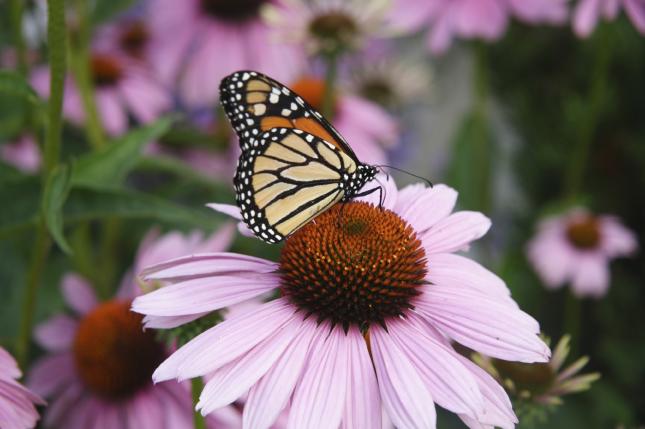
- Eastern Monarch Butterflies lay eggs. Planting even a small portion of your yard with native nectar flowers and milkweed provides them the habitat they need. Purple coneflower and Swamp milkweed mix well together and provide this habitat.
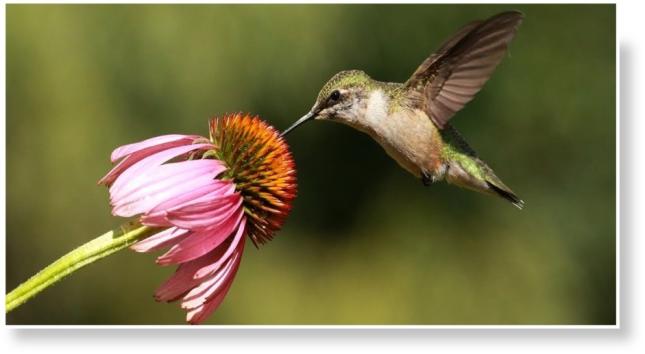
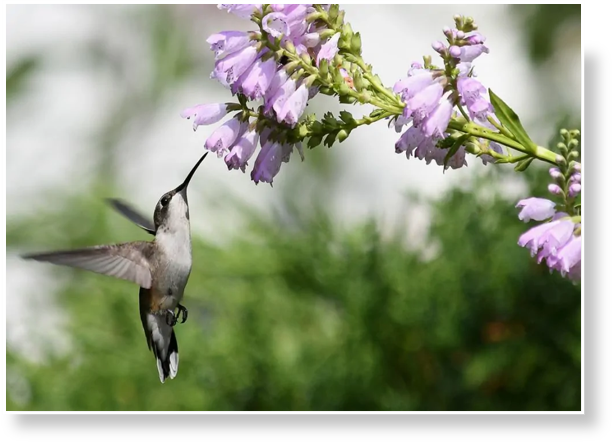
- Ruby-throated Hummingbirds migrate through Michigan throughout the month. With the adults and their young passing through on their way to southern Florida, Mexico and Central America, the number of sightings in your yard will increase. It’s a great time to see them at your Echinacea purpurea (purple coneflower), Lobelia cardinalis (Cardinal Flower), and Lobelia Siphilitica (Blue Cardinal flower) and Physostegia virginiana (Obedient plant) among others. The peak of migration for Ruby- throated Hummingbirds is late in the month of August.
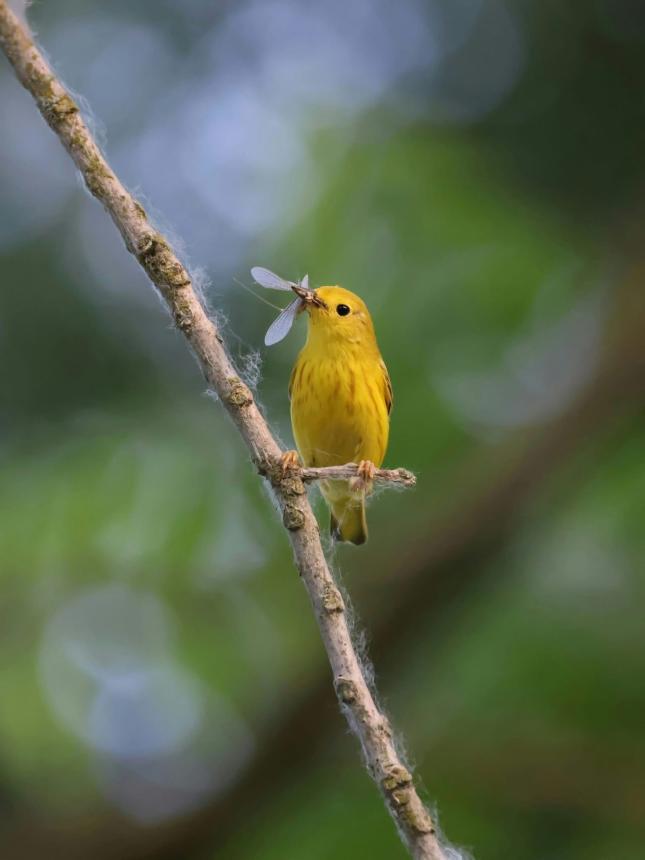
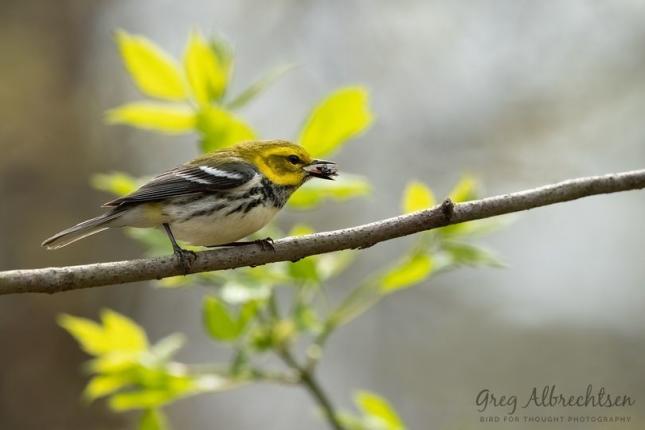
- Early warblers migrate through the area. Yellow Warbler, Black- and-white Warbler, Magnolia Warbler, American Redstart, and Black-throated Green Warbler all are early departers. They are feasting on insects to increase body fat to help them with their migration. Lake St. Clair Metro Park and the Ford House would be good places to look for them.
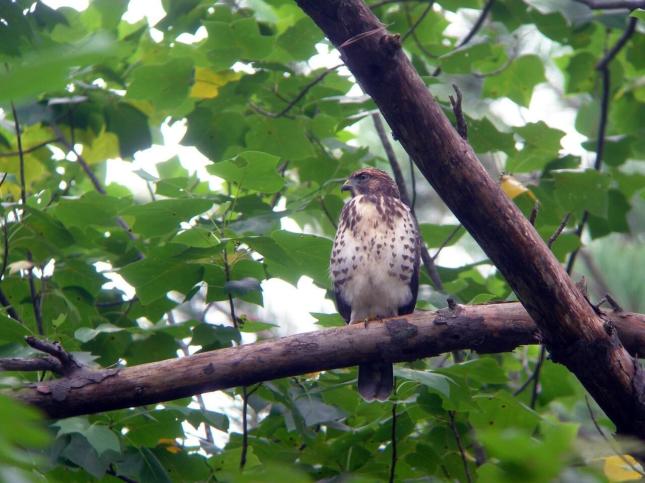
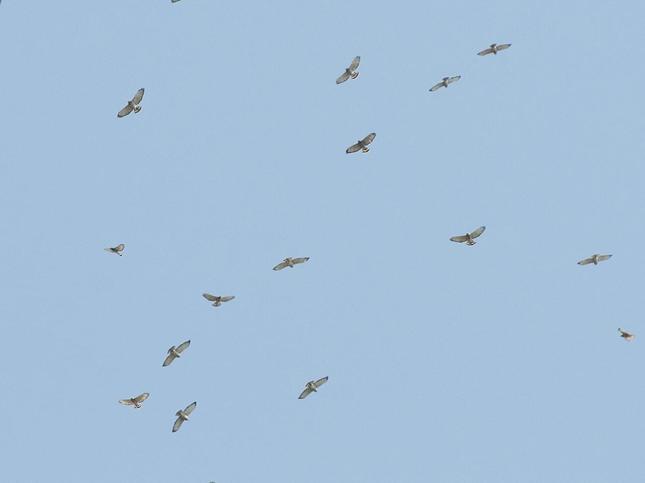
- Broad-winged Hawk migration starts. In an interesting study, scientists used satellite transmitters to track four Broad-winged Hawks as they migrated south in the fall. The hawks migrated an average of 4,350 miles to northern South America, traveling 69 miles each day. Did you know, groups of hawks are also known as kettles?
- American Goldfinches finish nesting late in the month.
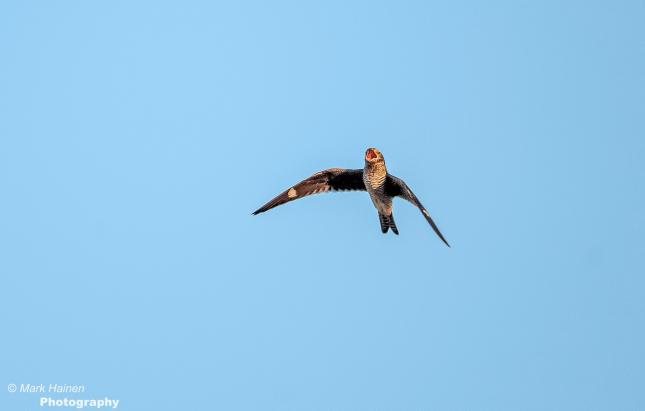
- Flocks of Common Nighthawks can be seen late in the month. Common Nighthawks migrate at all hours of the day in large flocks, on one of the longest migration routes of any North American bird. Most travel over land through Mexico and Central America, although many do pass through Florida and Cuba, flying over the Gulf to reach their wintering grounds in southern South America. This aerial insectivore depends on a healthy insect population. Their numbers have been in decline due in part to pesticide spraying.