January Nature Happenings
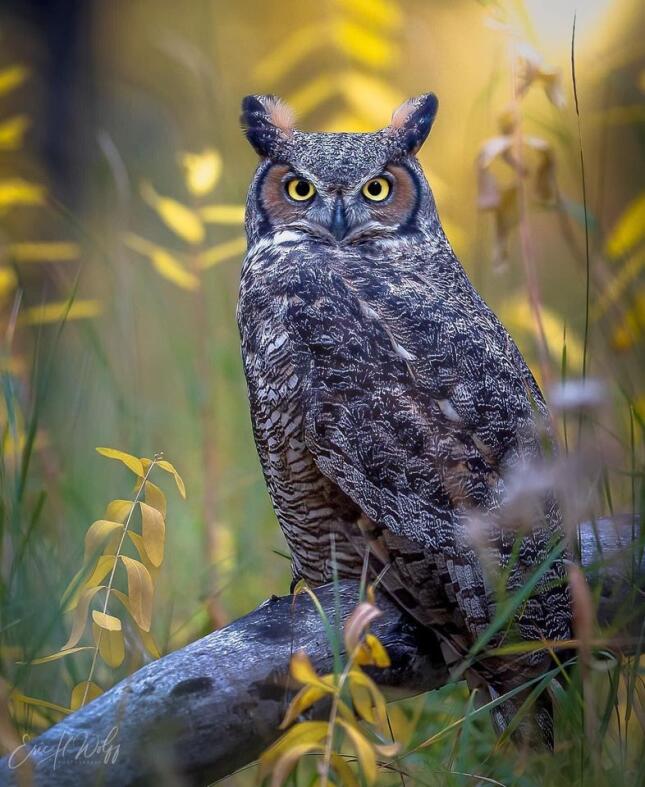
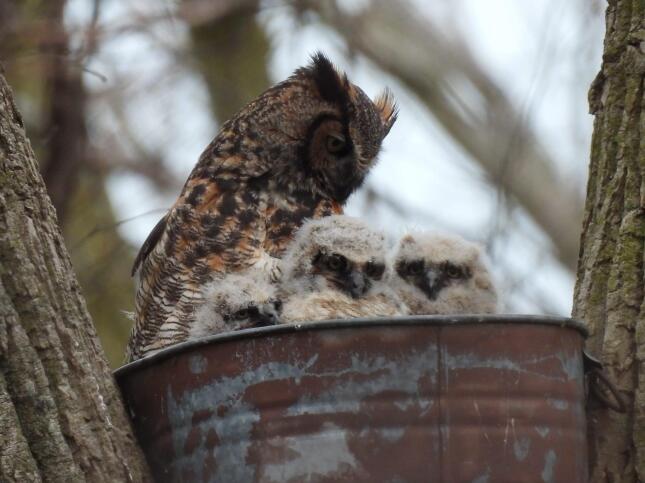
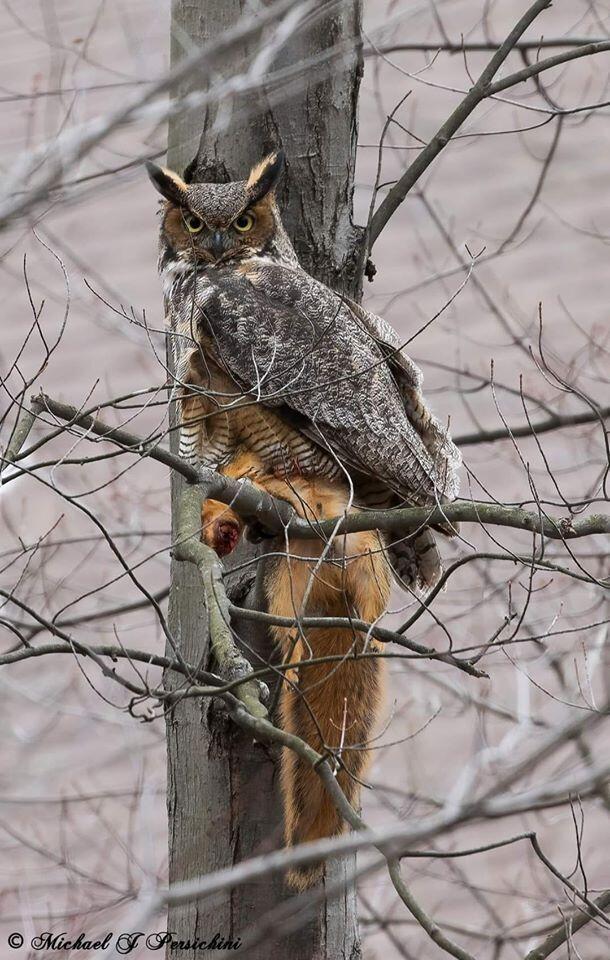
- Listen for Great Horned Owls hoots as they pair up for mating
season. During late January or early February they will be sitting on their
eggs. In the past, a pair has been nesting at Lake St. Clair Metro Park for
many years, with an exception last year.
- Project FeederWatch continues, sponsored by the Wild Birds Unlimited
franchise. Visit the official website by clicking here. Participation involves
watching your bird feeders and recording/submitting what you see and is
encouraged as one of the 7 Simple Actions you can take to help bird
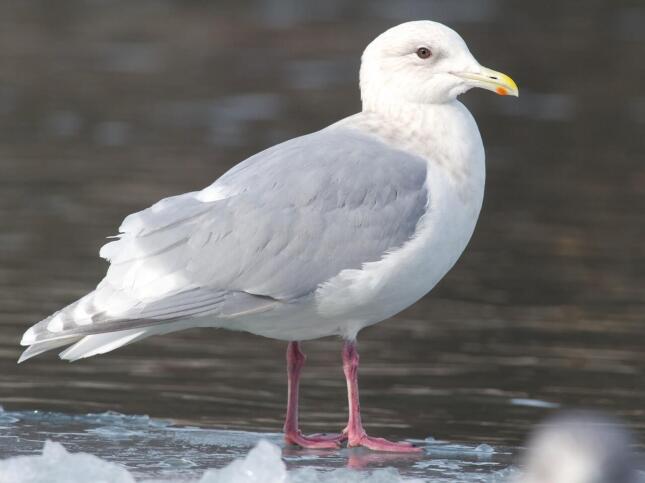
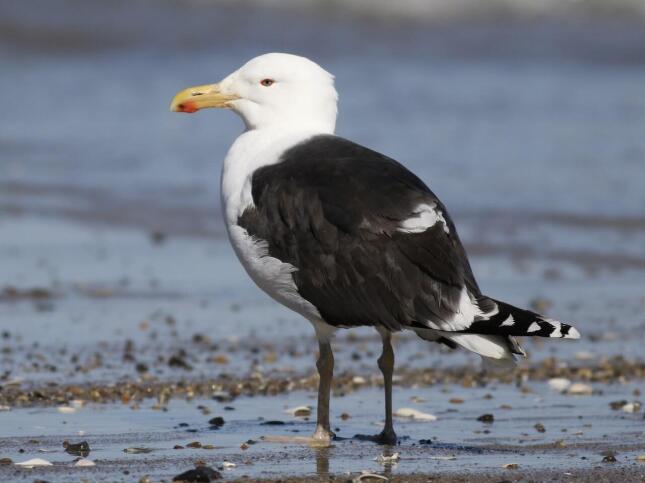
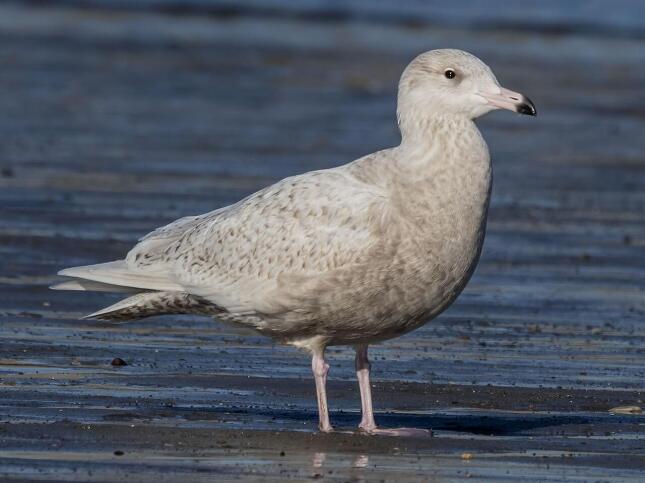
populations. - Rare gulls and terns can be found along the Great Lakes during the winter
months. Check near the yacht clubs, small parks along the water, Belle Isle,
or Lake St. Clair Metropark.
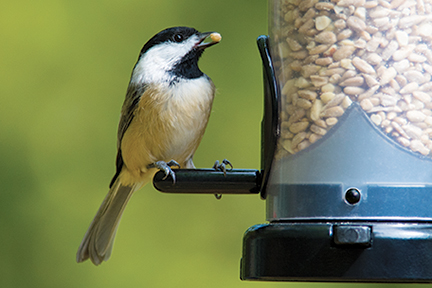
- Now through late March is a difficult time for birds; providing foods high in
fat and calories is important. Try our specially formulated Winter Super
Blend in loose seed or cylinder form, packed with nutritious foods for your
birds. - It is important to provide an open source of water such as a heated
bird bath. By adding water to your feeding station, you increase your
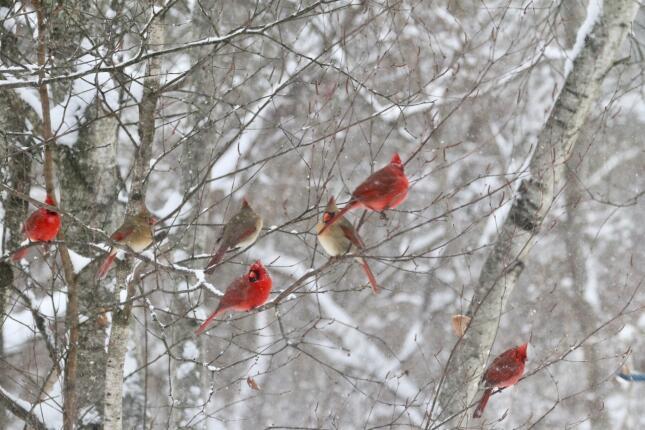
variety and abundance of bird species. - Northern Cardinals begin flocking, not minding others as they are not
territorial this time of year. Cardinals are usually the first and last birds
to be seen coming to feeders.
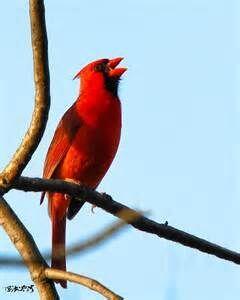
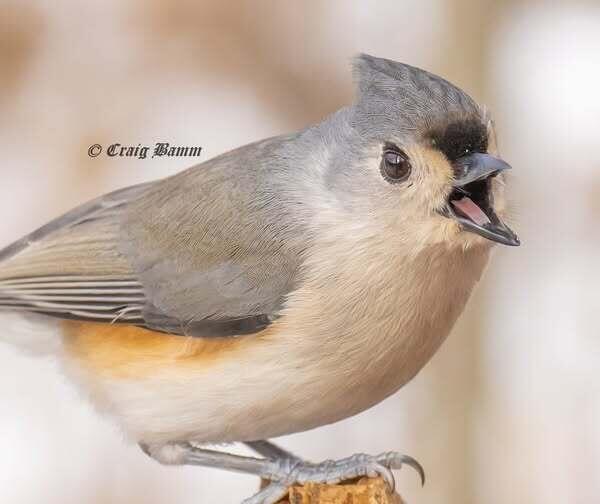
- Late in the month, as days lengthen Northern Cardinals and Tufted
Titmice begin to sing. Click the highlighted species names to open up
sound clips of each of these birds. Learning bird song can be just as
interesting and fun as identifying them by sight. The Merlin app
allows you to record what you are hearing and tells you which birds
are singing. The Sibley Guide can be down-loaded and when you
look up specific birds, you can play their songs and calls in order to
become familiar with them.
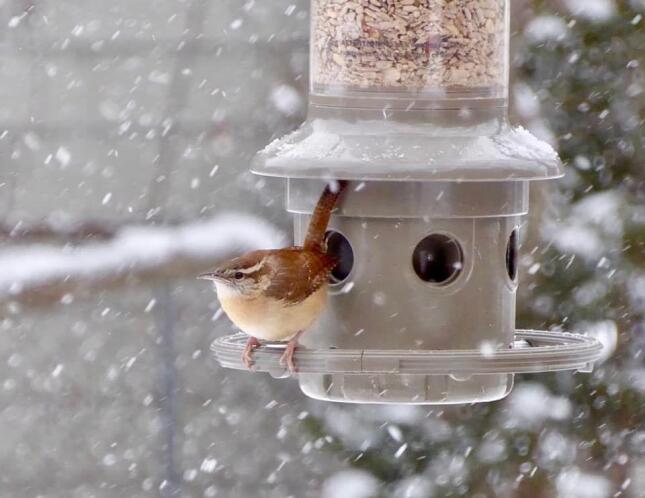
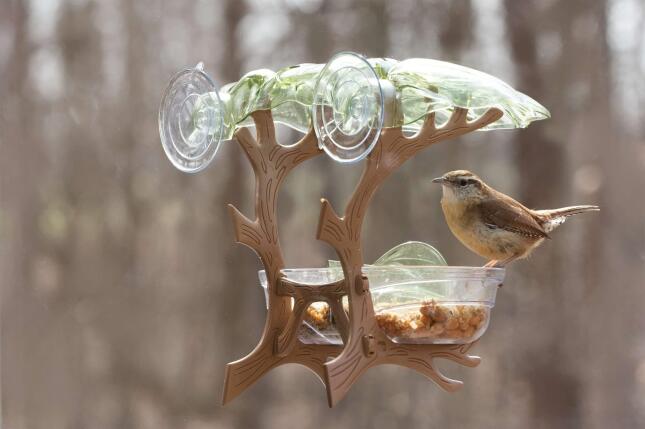
- Insect-eating Carolina Wrens can be attracted to feeders which offer
suet and mealworms. Watch and listen for these tiny birds with BIG
voices! They can be distinguished from other members of the wren
family by their striking white "eyebrow" stripe and larger, down-
curving bill.