
Nesting: Bringing Bird Families Home
Think Spring!
What a great time of year! Longer days and warmer temperatures help to rapidly reawaken the natural world around us during this true season of renewal. Our fields and forests celebrate with splashes of amazing colors…from freshly blooming wildflowers to the return of migrant songbirds decked out in their finest breeding plumage.
Yes, nesting season is just around the corner. A new generation of birds will soon be entering the world.
Many of them will call your yard home. You might even say that their families will become part of your family. And you can make a significant difference in how well these extended families will thrive and survive in your own backyard.
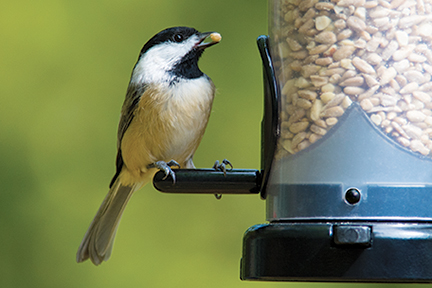
Consider providing a little “pre-natal” boost for your birds. The need for protein and calcium increases substantially for birds as they prepare for nesting and during periods of egg-laying. Obtaining a sufficient amount of these nutrients determines the number of eggs a bird is able to produce and impacts the health of young birds. Wild Birds Unlimited’s Nesting SuperBlend™ is a great bird food to help you provide the essential protein and calcium needed by nesting families.
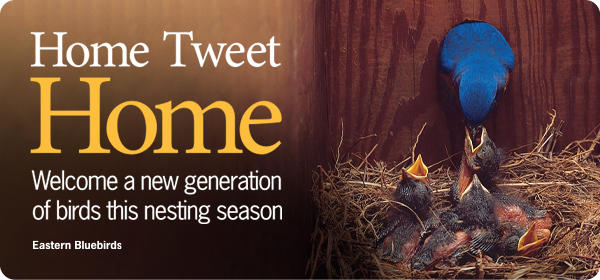
For birds that use nesting boxes (think bluebirds, wrens, titmice, etc.), it is important that they are made from high quality materials that will help insulate the youngsters from extreme cold or heat. Proper drainage and ventilation are a must and the box has to be easy to clean in preparation for the next tenant. Nesting boxes should also be specifically designed for the type of bird that is likely to make your yard its home and they should be placed in a location that is safe and enticing.
WBU has a complete line a high quality nest boxes to help get you started, including our environmentally-friendly EcoTough boxes that are made from recycled milk jugs. Using recycled materials is just one of the ways that WBU supports the 7 Simple Actions that scientist say we can all do to help birds.
And for a fun and entertaining look into the world of our nesting neighbors, be sure to check out the WBU Nature Centered Podcast episode, “Nesting: A Bird’s Eye View.” Hosts John and Brian will share the expert advice that will help you to attract, foster and enjoy more bird families around your own home.